


How to Tell If It’s Time for Masonry Repair
Do you have a masonry chimney? It’s a great addition to any home, adding curb appeal, but do you know if it’s in good shape? Are you aware of the signs that it may be deteriorating? Don’t worry—we can help. Here’s how to tell if it’s time for masonry repair.
 Signs Your Chimney Needs Masonry Repair
Missing or Cracked Mortar
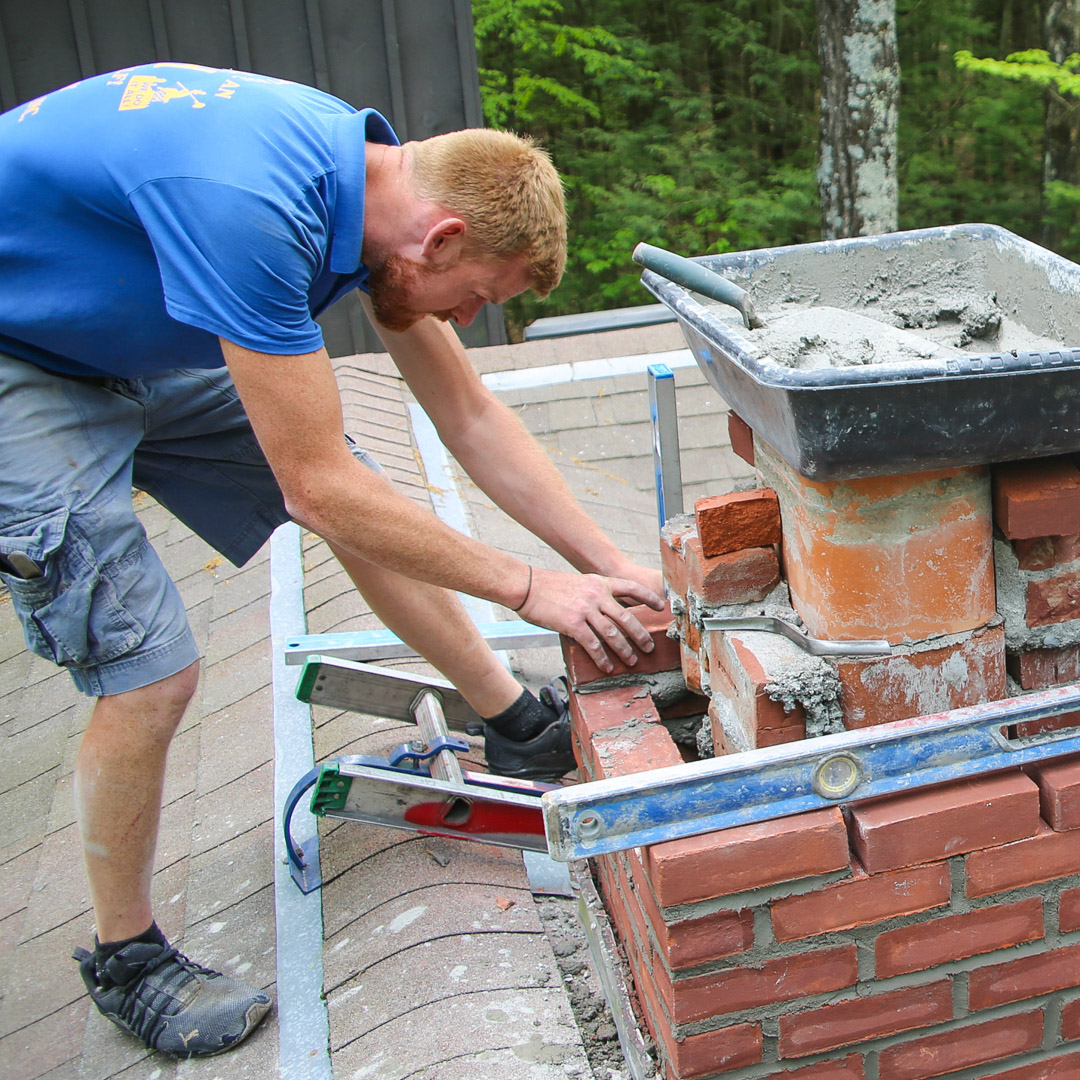
Chimneys need to be repointed (have the mortar replaced) every 15 to 20 years under normal conditions. If it’s been that long or longer, you may notice signs that your masonry chimney needs repair. Buckling, cracked, or missing mortar are telltale signs that it needs replacement. Without mortar, the bricks in your chimney will rub against each other and break down.
Compacted Bricks
Compacted bricks in your chimney are a serious issue that should not be ignored. These bricks are altered from their original shape due to compression over time. Once a brick’s shape changes, it allows water to penetrate easily, causing further damage during freeze-thaw cycles, where water expands and contracts as it freezes, breaking down the brick.
Frost Boil
When moisture gets behind your chimney’s bricks, it can cause them to bulge during freezing, pushing them apart. If frost boil is not addressed, your chimney could collapse due to compromised structural integrity.
Cracked Bricks
Fissures in bricks are not uncommon, but they should be addressed promptly. If a crack is at a 30-degree angle or greater, it could lead to a chimney collapse. Cracks must be filled, or bricks replaced, to prevent water absorption and further damage during freeze-thaw cycles.
Damage Inside Your Home
Water stains on the ceiling or walls around your fireplace may indicate masonry damage. Other issues, such as cracks in plaster or warped window frames, could also signal that your masonry chimney needs repair.
Causes of Damage to a Masonry Chimney
We’ve already discussed the damage caused by freeze-thaw cycles. Let’s look at other sources of masonry chimney damage.
Falling Objects
A tree limb, large hail, or high-velocity projectiles can damage masonry chimneys. In some cases, falling objects can strike the chimney crown—a concrete slab at the top of your chimney—and crack it. Moisture around your fireplace or a musty smell from your chimney are common indicators of chimney crown damage.
Vegetation
Roots from vines or other plants can seriously damage your chimney’s brick and mortar, creating gaps and breaking down materials. After removing vines from your chimney, ensure no roots remain where new vines could emerge.
Poor Maintenance and Repairs
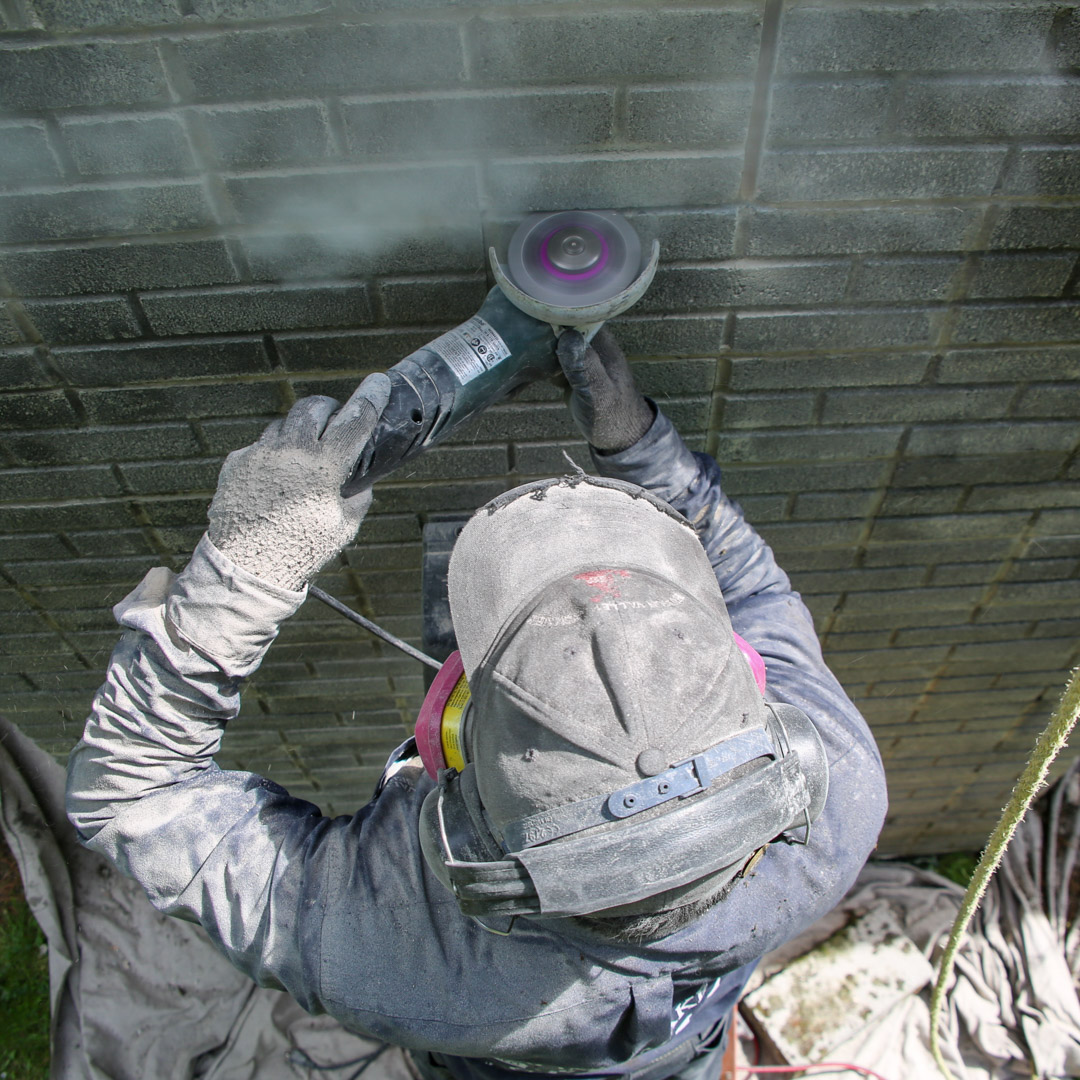
Always use a qualified chimney sweep service to repair or maintain your chimney’s masonry. Incorrect maintenance or repairs can compromise its structural integrity.
Hudson Valley Chimney: The Masonry Expert in Buffalo
If you notice signs that your masonry chimney is deteriorating, contact us. We have repaired and maintained hundreds of chimneys in the greater Buffalo area, ensuring they stand strong for years to come. Don’t wait until your chimney collapses; get in touch today.